Navy News
Direct from the front-line, the official newspaper of the Royal Navy, Navy News, brings you the latest news, features and award winning photos every month.
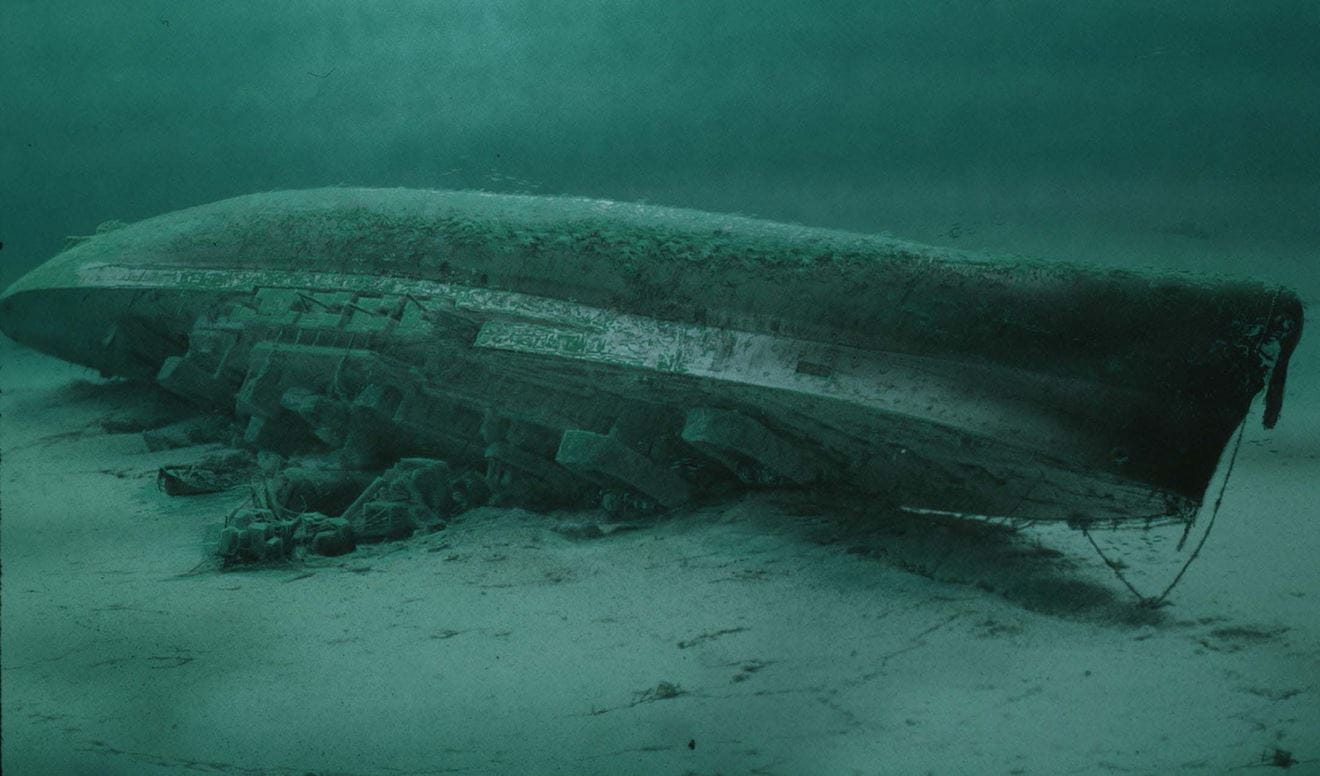
From today the Ministry of Defence is extending protection to a slew of vessels lost around the UK – not just Royal Navy wrecks, but ships from the Royal Fleet Auxiliary and Allied navies, including France and Canada – and a small number in international waters.
And although its wreck has still to be found, one of the most famous losses in the history of the US Coast Guard is also now embraced by the Protection of Military Remains Act, which already safeguards more than 100 wrecks around the globe.
The USCG Cutter Tampa was sunk by a U-boat about 45 miles northwest of Land’s End while escorting a convoy to Milford Haven in September 1918. All 131 men aboard (111 Coast Guard sailors, four US Navy and 16 Royal Navy personnel) were lost.
Also now protected are: the recently-discovered WW1 wrecks HMS Jason, Hawke and Nottingham, located by civilian dive teams off the Scottish coast over the past five years; French minesweeper Emile Deschamps, lost off Kent’s North Foreland bringing troops home during the Dunkirk evacuation; and RFA tanker Cairndale, torpedoed by the Italians off Casablanca in May 1941.
The Act was introduced 40 years ago, with additional sites added – this is the eighth tranche of new wrecks.
Under the Act the remains of military aircraft and vessels on the seabed are treated either as ‘protected places’ (divers can look but not touch or enter), or ‘controlled sites’ – requiring permission from the MOD before there’s any diving activity.
The vast majority of divers act responsibly. Nevertheless, over the past 25 years, at least 3,000 items have been recovered from either sunken Royal Navy ships or vessels requisitioned by the government in wartime – and these are only the objects reported to the official Receiver of Wreck.
Two of the most famous wrecks in UK waters – battleships HMS Vanguard and Royal Oak, both in Scapa Flow – are already designated ‘controlled sites’; the exclusion zone around the sites is now being extended to provide extra protection.
And three wrecks – HMS Cobra off the Lincolnshire coast, and two Canadian vessels, HMCS Regina (sunk north of Padstow) and Trentonian (lost off Mevagissey) – will be added to the list of controlled sites
Protection prevents anyone from unlawfully interfering with the remains of vessels lost in military service. Failure to comply will result in investigation by the Ministry of Defence Police and potentially prosecution.
The aim for the future is that military shipwrecks will receive automatic protection as ‘Protected Places’, regardless of age under proposals in the new Armed Forces Bill currently going through Parliament.
Direct from the front-line, the official newspaper of the Royal Navy, Navy News, brings you the latest news, features and award winning photos every month.