Navy News
Direct from the front-line, the official newspaper of the Royal Navy, Navy News, brings you the latest news, features and award winning photos every month.
Commando Logistic Regiment (CLR) will now be known as 48 Commando Support Group Royal Marines, restoring a name that celebrates the heroes of the past while embracing the modern UK Commando Force.
With the outgoing Commando Logistic Regiment name passes 54 years of sustaining operations: including the Falklands Conflict, two wars in Iraq, Afghanistan and many other global missions.
But what doesn’t pass into history is the unit’s expertise in providing agile, expeditionary logistics – sustaining amphibious and land operations from ship to shore – wherever they are needed by the UK Commando Force.
The name change – fully approved by His Majesty The King – ultimately aligns the unit with the naming conventions used by the UK Commando Force (which comprises 24, 29, 30, 40, 42, 43, 45, 47 and now 48 Commando with each specialist roles), while reinforcing its position as not just a logistics organisation but a fully functioning fighting component delivering on global operations.
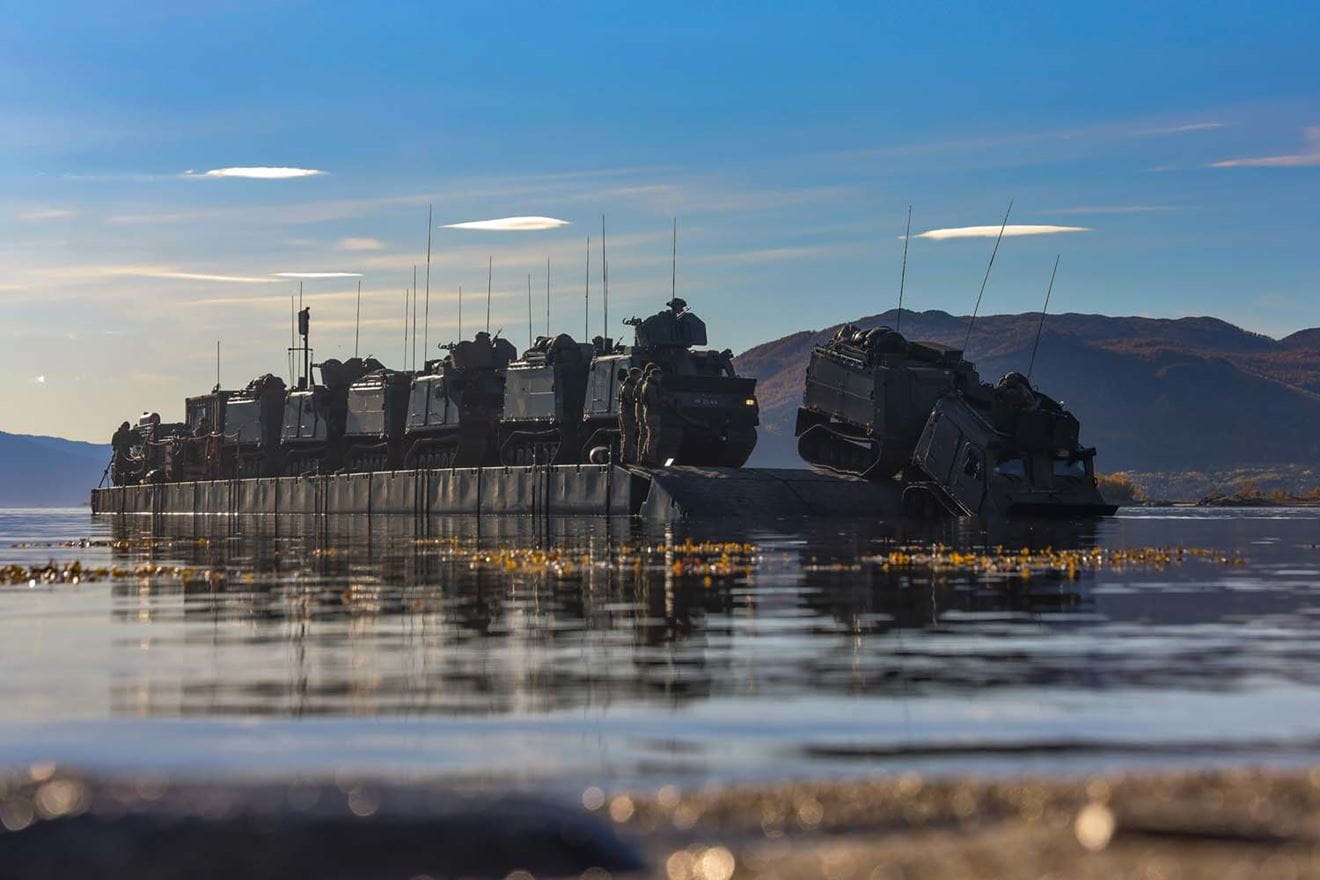
Based at Chivenor in North Devon, the new 48 Commando will continue in the same vein as CLR – providing the crucial capability in bringing supplies to the front line, transportation (wheeled and tracked), combat and surgical medical care, critical refuelling, combat supplies such as ammunition, drone operations, vehicle repair and recovery and protected movement across the battlefield using armoured vehicles such as the Viking among other things.
Commanding Officer of 48 Commando, Lieutenant Colonel Jolyon Simpson, explains: “This name change marks the coming together of traditions: 48 Commando’s offensive actions on Juno Beach and the assault on German gun batteries in Walcheren in 1944 with CLR’s 54 years of sustainment operations across the Falklands War, two wars in Iraq, Afghanistan and other global operations.
“The combination reflects the reality of contemporary warfare – that there is no distinction in combat between fighting units and those that sustain them. The marines, soldiers, and sailors of 48 Commando must stay in the fight to keep others in the fight.”
48 Commando was raised in 1944 – the last of the commando units of the World War 2 era – and, a little under three months later, landed alongside the Canadians on Juno Beach on D-Day.
In November 1944, 48 Commando were involved in one of their greatest battles on Walcheren in the Netherlands. The battle for the island was vital in freeing the approaches to Antwerp, an important supply port and the unit played a key role in victory alongside their fellow commandos.
“48 Commando’s history is short but the name will now take forward the history and achievements of both units,” added Lt Col Simpson.
“This change carries with it an important responsibility to maintain soldiering excellence and sustainment expertise as we step into a new era for the Royal Marines and the Commando Force.”
General Sir Gwyn Jenkins, the First Sea Lord and Commandant General Royal Marines, said: “For more than half a century, the Commando Logistic Regiment has sustained major operations including in the Falklands, Iraq and Afghanistan. Its new name, 48 Commando, is a continuation of that proud record, while also honouring the legacy of those who fought to liberate Europe during the Second World War.
“However, this is about more than just a name. It is a recognition of new ways of operating, being more dispersed on the battlefield, with greater resilience, and acting more independently to better serve the modern Commando Force. The title 48 Commando is a clear acknowledgment of that transformation.”
Brigadier Richard Morris, Commander of the UK Commando Force, said: “The re-birth of 48 Commando aligns neatly with the launch of the UK Commando Force in June of this year.
“48 Commando therefore joins the other eight Commando units to provide a globally deployable amphibious strike force, capable of operating in the most demanding of environments, against the hardest targets.
“Optimised for operations in Europe, it draws upon a heritage that incorporates Operation Overlord, ensuring that the history of the Royal Marines is woven into the future force.”
The name change becomes fully official from August 1, 2026.
Direct from the front-line, the official newspaper of the Royal Navy, Navy News, brings you the latest news, features and award winning photos every month.